
Philadelphia residents are protected by the Fair Debt Collection Practices Act (FDCPA), which outlines debt collector conduct guidelines. Key provisions include identification, no threatening language, harassment ban, and accurate debt validation. Violations may require a lawyer for debt collector laws LA to prevent harassment, ensure fair treatment, and pursue damages or complaints. Seek legal advice if collection efforts impact mental well-being or daily life.
In the intricate landscape of consumer protection, understanding debt collector laws is paramount to safeguarding your rights. Philadelphia, like many cities, has its own set of regulations that govern these practices, ensuring fairness for consumers. However, navigating these laws can be a complex task, leaving many individuals vulnerable to unfair treatment by debt collectors. This article serves as a comprehensive guide, demystifying the legal framework and offering practical insights. By explaining these laws in plain terms, we empower consumers to assert their rights effectively. Moreover, we emphasize the importance of seeking expert advice from a seasoned lawyer for debt collector laws in Philadelphia—a crucial step towards protecting your interests.
Understanding Debt Collector Rights in Philadelphia
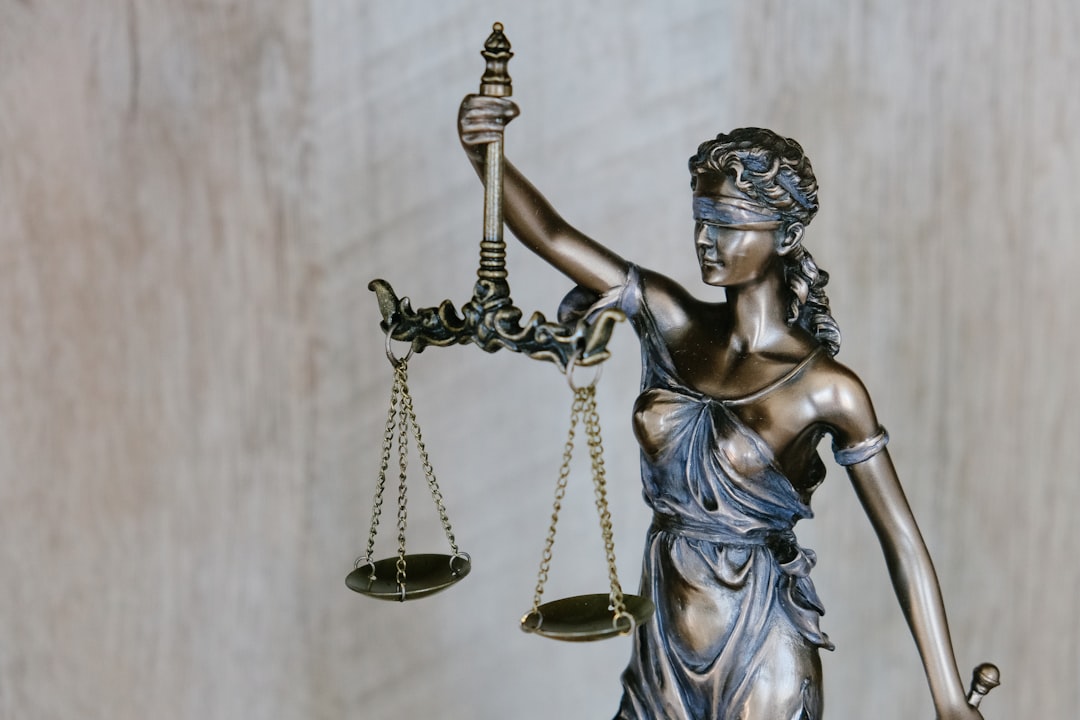
In Philadelphia, as across the United States, consumers have rights when dealing with debt collectors. Understanding these rights is crucial to protecting oneself from unfair or abusive practices. The Fair Debt Collection Practices Act (FDCPA) is a federal law that outlines the do's and don'ts for debt collectors, ensuring they maintain fair and ethical collection procedures. This legislation grants consumers various protections, including the right to dispute the validity of their debts and to request verification from the collector.
Philadelphia consumers should be aware that debt collectors must identify themselves, provide the name of their company, and disclose the nature of the debt during their initial communication. They are prohibited from using abusive or threatening language, contacting individuals at inconvenient times (e.g., before 8 a.m. or after 9 p.m.), or using false or deceptive means to extract payment. Additionally, collectors cannot harass or threaten consumers, use obscene language, or publish or share derogatory information about an individual's debt.
If you believe your rights have been violated by a debt collector in Philadelphia, consulting with a lawyer specializing in debt collector laws is advisable. Legal experts can guide consumers through the complexities of the FDCPA and help them understand their options for resolving the issue. While it may seem daunting to take on a debt collector, seeking legal counsel early can often prevent further harassment and potentially result in significant financial and emotional relief for the consumer.
Navigating Legal Protections: A Consumer's Guide

Navigating Legal Protections: A Consumer's Guide to Debt Collector Laws in Philadelphia
Consumers in Philadelphia, like anywhere else, face significant challenges when dealing with debt collectors. Understanding your legal protections is crucial to asserting your rights and ensuring fair treatment. The Fair Debt Collection Practices Act (FDCPA) provides robust safeguards for borrowers, restricting how and when debt collectors can contact you. For instance, collectors must identify themselves, state the amount owed, and explain the consequences of non-payment—all while adhering to strict no-harassment guidelines. Failure to comply invites legal repercussions, including damages and attorney fees, as per 15 U.S.C. § 1692k.
A key aspect involves verifying the debt's validity. By law, collectors must provide verification of the debt upon request. This process empowers consumers to challenge inaccurate or disputed debts, protecting them from wrongful collection activities. For example, if you dispute a charge with your bank and it's later proven invalid, any associated collection efforts would be illegal. Seeking advice from a lawyer specializing in debt collector laws LA can help ensure these rights are not only understood but also invoked effectively.
Additionally, the Pennsylvania Department of Banking regulates debt collectors operating within the state, offering resources and oversight to protect consumers. Consumers should document all interactions with collectors, noting dates, times, and any perceived violations. This documentation becomes invaluable if disputes arise or legal action is necessary. While these laws provide a framework for protection, staying informed and proactive is essential. Engaging with a lawyer who understands the nuances of debt collector laws LA can offer tailored guidance, ensuring you remain protected in an increasingly complex financial landscape.
When to Seek a Lawyer for Debt Collector Laws LA

In Philadelphia, as with many cities, consumers often face pressure from debt collectors. It's crucial to understand your rights under debt collector laws, such as those outlined in the Fair Debt Collection Practices Act (FDCPA). If you find yourself dealing with aggressive or illegal collection tactics, seeking legal counsel is a critical step towards protecting your rights and securing justice.
While some disputes can be resolved through direct communication with the debt collector or by disputing the debt on your own, certain situations demand the expertise of a lawyer for debt collector laws LA. For instance, if a collector has violated your rights by using abusive language, making false claims, or engaging in harassment, an attorney specializing in this area can help navigate the complexities of the law and represent you effectively. They can also guide you through processes like filing a complaint with regulatory bodies or pursuing legal action for damages.
Consider consulting a lawyer when the debt collector's conduct significantly impacts your emotional well-being or daily life. Even if the amount owed seems manageable, the stress and anxiety caused by relentless collection efforts can be substantial. A lawyer for debt collector laws LA can provide reassurance and help establish clear communication channels with collectors, ensuring they adhere to legal boundaries. For example, a recent study found that nearly 40% of consumers reported negative impacts on their mental health due to debt collection practices. Taking proactive measures, such as seeking legal advice, can be a powerful step towards recovery and financial stability.
Remember, knowledge is power. Understanding your rights and when to involve legal counsel can empower you to deal with debt collectors assertively. Don't hesitate to reach out to an attorney who specializes in debt collector laws LA for personalized guidance tailored to your unique situation. This proactive approach can help prevent further harassment, ensure fair treatment, and potentially lead to the resolution of your debt-related issues more quickly and effectively.