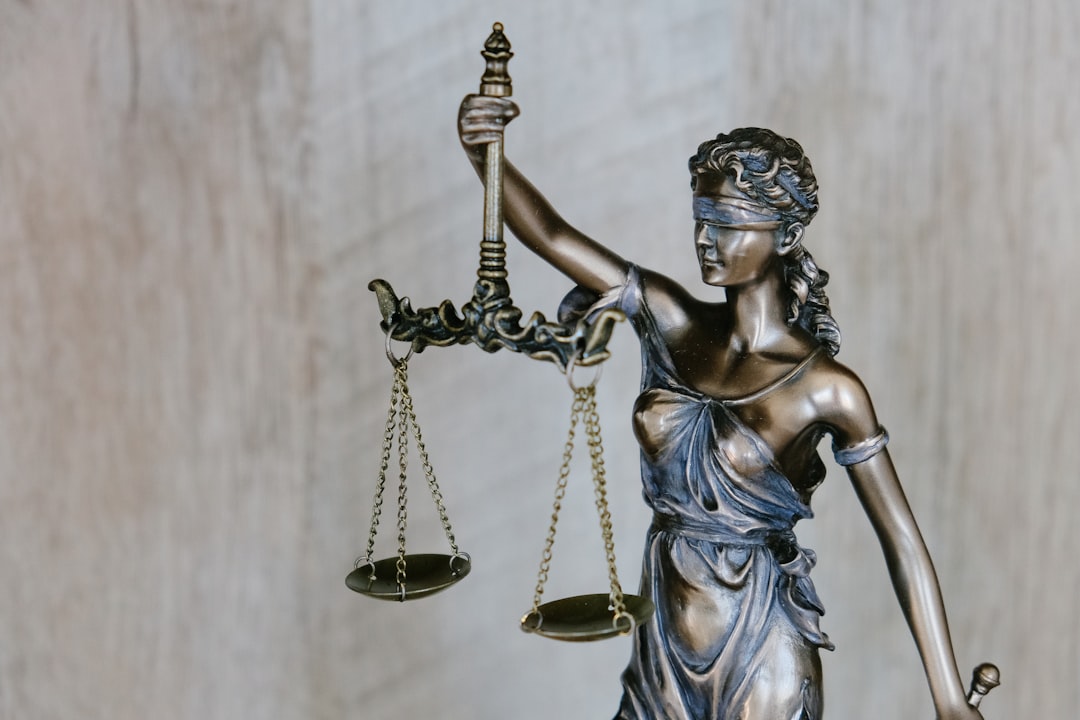
In Philadelphia, the Debt Collector Laws, including the Pennsylvania Debt Collection Practices Act (PDCPAA) and Fair Debt Collection Practices Act (FDCPA), protect consumers from abusive debt collection practices. Key violations include repeated calls, offensive language, misrepresenting debts, and threatening legal action without intent to follow through. Collectors must adhere to strict timing guidelines and avoid inconvenient contact times. Individuals facing harassment can file complaints, document interactions, and seek legal action with penalties for collectors including actual damages, statutory damages, and attorney fees. Understanding these laws is crucial for proactive measures and recovery of damages.
Debt collector harassment is a significant concern for consumers across Philadelphia, with instances of aggressive tactics and illegal practices posing severe distress. Understanding the penalties under the debt collection laws in Philadelphia is crucial for both debtors and collectors alike. This comprehensive article delves into the legal framework surrounding debt collection activities, highlighting the rights of individuals and the strict regulations enforced by local authorities. By exploring these provisions, we aim to empower consumers with knowledge, ensuring they are protected from abusive practices while offering a clear guide for ethical debt collection methods.
Understanding Debt Collector Harassment Laws in Philadelphia

In Philadelphia, debt collector harassment is taken seriously under the Pennsylvania Debt Collection Practices Act (PDCPAA), which mirrors federal regulations set by the Fair Debt Collection Practices Act (FDCPA). These laws protect consumers from abusive, false, or misleading practices by debt collectors. Understanding these regulations is crucial for both debt collectors and individuals facing debt issues to ensure fair and ethical collection processes.
Debt collector harassment can include various actions such as repeated phone calls with the intent to annoy or abuse, using offensive or obnoxious language, misrepresenting the amount owed, and threatening legal action without intention to follow through. In Philadelphia, collectors must adhere to strict guidelines regarding the timing and frequency of contact, which generally limits calls to between 8 a.m. and 9 p.m., Monday through Saturday. Additionally, they are prohibited from contacting consumers at inconvenient times or places known to be inappropriate.
Violations of these debt collector laws can result in significant penalties for collectors, including actual damages, statutory damages up to $1,000, and attorney fees. Moreover, individuals who have been harassed by debt collectors can file a complaint with the Pennsylvania Attorney General's Office or take legal action against the collector. It is recommended that consumers keep detailed records of interactions with collectors, including dates, times, content of conversations, and any evidence of harassment, to support potential claims under the PDCPAA. By understanding and adhering to these debt collector laws in Philadelphia, both parties can ensure a fair and respectful resolution of debt-related matters.
Identifying Unlawful Debtor Practices: Your Rights

In Philadelphia, debt collector harassment is taken seriously under the Debt Collection Practices Act (DCPA) which implements federal guidelines, ensuring fair practices in the collection of consumer debts. Identifying unlawful debtor practices is a crucial step in protecting your rights. The DCPA prohibits abusive, false, or deceptive acts or practices used to collect a debt, including excessive calls, threats, or misrepresenting the amount owed. For instance, a debt collector cannot call you at unreasonable times or places, use obscene language, or falsely claim they are from a government agency.
If you believe your rights have been violated, it's essential to document these interactions and gather evidence. Keep a log of calls, messages, and any communication with the debt collector. Note the date, time, and content, as this can be crucial in resolving disputes. According to recent reports, over 50% of consumers who filed complaints with the Federal Trade Commission (FTC) against debt collectors cited harassment as their primary concern. This highlights the prevalence of such issues and underscores the importance of understanding your rights.
Knowing your rights under the DCPA empowers you to take action if harassed by a debt collector. You have the legal standing to demand validation of the debt, requiring the collector to provide proof they are entitled to collect from you. If the collector fails to produce this or continues with harassing behavior, you can file a formal complaint with the FTC or the Pennsylvania Office of Attorney General. These entities investigate complaints and enforce debt collection laws in Philadelphia, ensuring collectors adhere to ethical practices. Taking these steps not only protects your rights but also sets a precedent for holding debt collectors accountable under Philadelphia's debt collector laws.
Enforcement and Penalties: What to Expect

In Philadelphia, debt collector harassment is taken seriously under the Debt Collection Practices Act (DCPA) and other local laws. Individuals who experience harassing behavior from debt collectors can take legal action against them. The DCPA prohibits debt collectors from engaging in unfair or deceptive acts when attempting to collect a debt. This includes practices such as making repeated phone calls with the intent to annoy, using abusive or threatening language, misrepresenting the amount owed, and failing to verify the debt when requested by the consumer.
If a debt collector violates these regulations, individuals in Philadelphia have the right to seek legal redress. The penalties for debt collector harassment can include actual damages, statutory damages of up to $1,000 per violation, and attorney fees. Furthermore, the court may order the debt collector to cease all collection activities directed at the consumer. To strengthen their case, consumers should document all instances of harassment by keeping a log of phone calls, emails, and any other communications with the debt collector. This includes noting the date, time, and content of each interaction.
An expert perspective suggests that many cases result in settlements where the debt collector agrees to stop harassing activities and pay damages. However, some consumers may choose to pursue litigation if the harassment persists or is particularly severe. In Philadelphia, consumers can file a complaint with the Pennsylvania Office of Attorney General or seek legal advice from an attorney specializing in consumer rights. It's crucial for individuals facing debt collection issues to understand their rights under the DCPA and local laws, enabling them to take proactive measures to stop harassing behavior and recover any damages incurred.
Navigating Legal Recourse for Harassment Victims

Debt collector harassment is a serious issue, and Philadelphia's debt collector laws offer victims specific protections and legal recourse. If you've experienced persistent and aggressive behavior from debt collectors, understanding your rights under these laws is crucial. The Fair Debt Collection Practices Act (FDCPA) prohibits abusive, false, or misleading practices by collection agencies, ensuring that consumers are treated fairly during debt collection processes. In Philadelphia, this legislation is enforced by the City's Office of Attorney General, which actively protects residents from unfair debt collection tactics.
Victims of harassment can navigate legal avenues to seek relief and compensation for emotional distress caused by abusive collection methods. Documenting evidence, such as recorded calls or written communications, serves as critical proof in supporting a claim. The Philadelphia Legal Aid Office provides free resources and counseling for individuals facing debt collector abuse, guiding them through the process of filing complaints with relevant authorities. For instance, a recent case study highlighted a successful lawsuit against a debt collection agency for repeatedly contacting a consumer's employer, resulting in a substantial settlement that set a precedent for similar cases.
Taking action is essential to deter future harassment and protect others from similar experiences. Consulting with an attorney specializing in consumer rights and debt collection laws can help victims understand their options, including filing a lawsuit for damages under the FDCPA. The Philadelphia Bar Association offers referrals to attorneys who handle such cases, ensuring individuals receive competent legal representation. By exercising their rights and seeking professional guidance, victims can not only stop harassment but also contribute to holding debt collectors accountable according to the stringent debt collector laws in Philadelphia.